Time to be Thankful
November 18th, 2025 |

Like Most Things in Life, Gratitude is a Choice
Most of us have a lot for which to be thankful.
We may acknowledge the quality of our life even as we take for granted our abundance. We may appreciate those who support us at home, at work and in our communities even though we may not always fully express our appreciation.
How intentional are we about taking time to be grateful before the calendar turns to November and Thanksgiving helps us remember our blessings?
Like most things in life, it’s a choice.
For whom and for what are you grateful?
Reflecting on Gratitude
Shortly after becoming a Vistage Chair twenty years ago, I received the following sentiment about gratitude. I have no idea who sent it, and I’ve tried without success to find the author. If you’re the person who sent it, I’d love to hear from you. If you know who wrote this verse, please let me know.
Be thankful that you don’t already have everything you desire.
If you did, what would there be to look forward to?
Be thankful when you don’t know something,
for it gives you the opportunity to learn.
Be thankful for the difficult times.
During those times you grow.
Be thankful for your limitations,
because they give you opportunities for improvement.
Be thankful for each new challenge,
because it will build your strength and character.
Be thankful for your mistakes.
They will teach you valuable lessons.
Be thankful when you’re tired and weary,
because it means you’ve made a difference.
It’s easy to be thankful for the good things.
A life of rich fulfillment comes to those who
are also thankful for the setbacks.
Gratitude can turn a negative into a positive.
Find a way to be thankful for your troubles,
and they can become your blessings.
As the year draws to a close, remember to ask yourself: How will I show my gratitude throughout the year?

Ready to reset?
Attend my free Accountability webinar: I Did It! to set and achieve your 2021 goals.
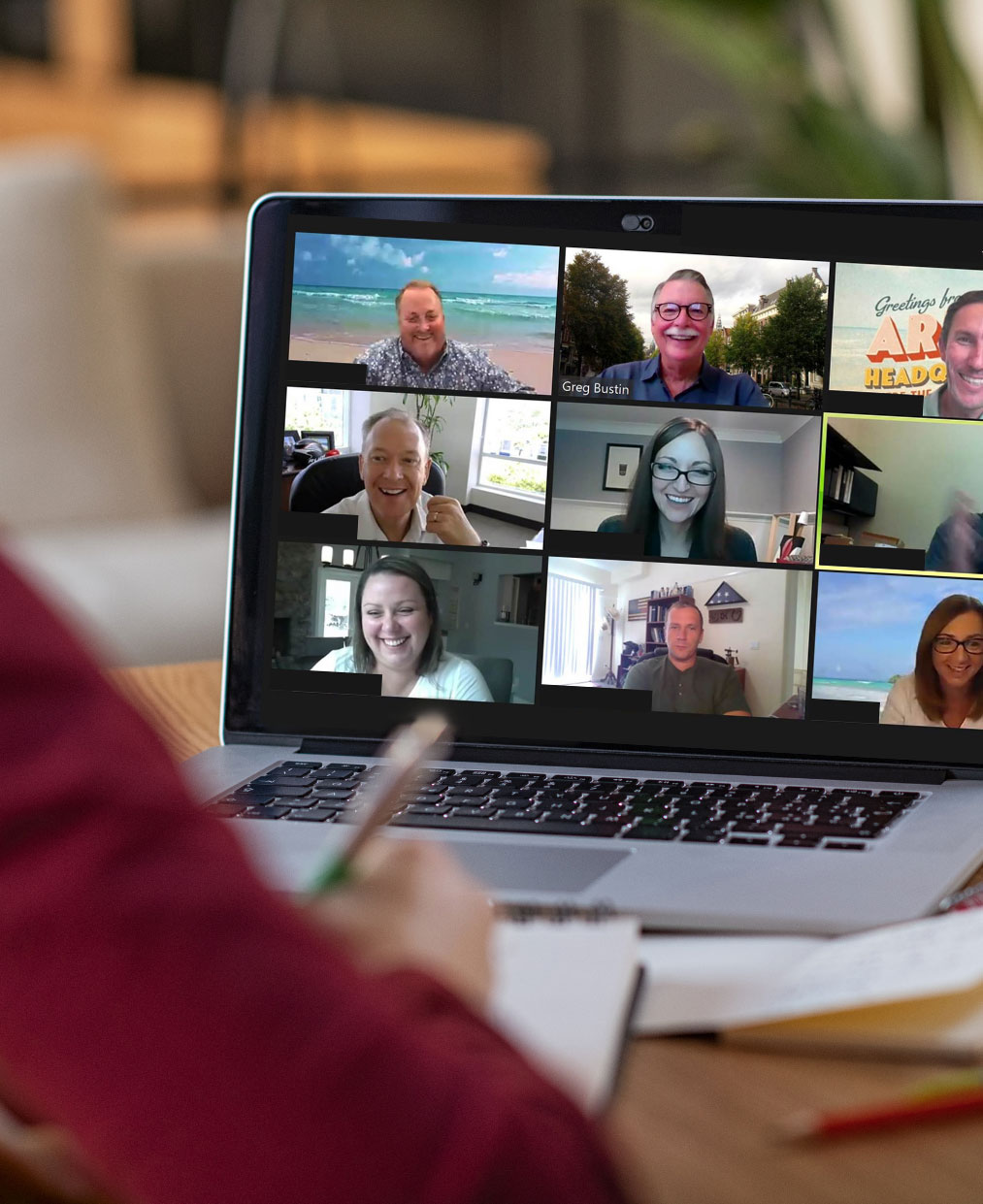
- February 17th from 11 AM – 12:30 PM Central Time
- My free webinar will help you:
– Sharpen your personal goals
– Improve time management
– Tackle tough work-related issues
– Support remote workers
Learn More
To dive even deeper into the topic of accountability, I invite you to purchase a copy of my bestselling book, “Accountability: The Key to Driving a High-Performance Culture.”
Become a better leader.
Download my three free e-books.

Free Tips
Sign up to receive free tips on business, leadership, and life.
Get My Latest Book
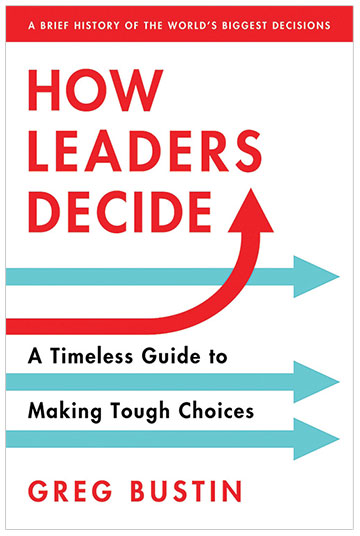
HOW LEADERS DECIDE
History has much to offer today’s current and aspiring leaders.
Business schools teach case studies. Hollywood blockbusters are inspired by true events.
Exceptional leaders are students of history. Decision-making comes with the territory.