Happy New Year!
September 2nd, 2025 |

Happy New Year!
Are you kidding?
No, I’m not.
While it may not be January, this time of year often feels like a new beginning.
For those with kids and grandkids, it’s back-to-school. Those returning rhythms bring structure and anticipation.
For my 100+ Vistage members, our September meetings will include finalizing next year’s schedule and reviewing the line-up of confirmed speakers and their workshop topics.
And for football fans, the new season is underway.
So what once felt like “later” is starting to feel like “now.”
This is the time for finishing strong and starting to think about next year.
I’ve led more than 250 strategic planning sessions helping leadership teams sort through obstacles, opportunities and uncertainties to develop plans that allow them to manage what they can control and move forward with confidence. Fourteen years ago, I examined the benefits of planning and that post remains one of the most-downloaded resources from the hundreds I’ve written. Why Bother? 10 Benefits of Planning
Today, I’m updating a blog I posted nine years ago addressing ten questions you should be asking about strategic planning:
- When should we hold our session? The best time is the fourth quarter of your fiscal year because you have enough data to assess past performance before looking ahead and developing plans for next year. Some periods are better for your business than others. But anytime is better than not planning at all.
- How much time will we need? I’ve seen lots of time wasted on planning. Usually, two full back-to-back days are plenty. Select days that work best for your team, then give people enough notice to block their calendars.
- Who should attend? Think carefully about who should attend. I’ve led sessions with three people and with as many as twenty-five participants. If you’ve got difficult choices to make such as reorganizing, considering M&A activity, addressing low-performing leaders and other sensitive topics, confine attendance to the senior leadership team. If your primary focus is improving execution, include leaders just outside the C-suite who will be implementing the plan. Invite rising stars to signal their input is welcomed and that their future with the organization is bright. Inviting board members and investors can be helpful but their presence can also cause people to clam up. For not-for-profit organizations, it’s essential to invite board members.
- Should we get input from non-attending mid-level leaders? Yes. Gather input from middle managers who won’t be attending through an online survey or brief phone calls by a third party. You’ll likely already know most of what you’ll learn, but you’ll be surprised by what you don’t already know. I’ve found that five questions will tell you plenty as you head into your planning session. Email me at greg.bustin@bustin.com with the subject “Five Questions” and I will send them to you.
- Who should lead the process? Hire an experienced facilitator. Planning is like surgery without anesthesia. You wouldn’t perform surgery on yourself. Another reason is the baggage CEOs carry. Look for a professional who’s led planning sessions for companies your size or with your issues, or both. A good facilitator ensures your most valuable commodity—time—is invested wisely.
- What do we want to accomplish? You and your team must be crystal clear about what you expect to accomplish in your two days together. Planning equals change so if you don’t plan to change, don’t bother to plan. There are three primary deliverables for any planning session. First (and most important) is achieving alignment among the team. Second is developing a written plan that specifies who will do what, by when and for what expected outcome. Third is deciding how lack of accountability to the plan will be addressed.
- Will our team speak up? My experience is that most participants are eager to talk—even about uncomfortable issues. There’s almost always an elephant in the room. Elephants, Accountability and You It’s the facilitator’s job to get all the issues out in the open for discussion. Implicit disagreements cannot be ignored. One of the biggest threats to any plan that’s developed is the failure to confront conflict. Read my article in Forbes for other threats. Absent trust, your colleagues will avoid conflict. Absent healthy conflict, your planning process will be a waste of time.
- Will your team need to prepare anything? It depends. How do your leaders like to learn? How much preparation do they require? I keep pre-work to a minimum, usually in the form of two or three questions or perhaps recommending an article or a video. Achieving alignment is essential so I want decisions being made at the planning session to be the result of conversations that occur during the session when everyone has the opportunity to share the same experience.
- Where should you meet? Hold the meeting away from the office, if possible. A conference center or hotel is ideal. These venues can arrange breakfasts and working lunches to keep things moving and they can provide the materials you’ll need, which is usually limited to a couple of flip charts plus a monitor if you want to play video or share notes on the screen. The value of getting away to a neutral site eliminates workplace interruptions and signals this time together is special.
- What will your plan look like? Don’t confuse your plan with a budget. Plan first, budget second. And don’t confuse thick, glossy binders with an effective plan. The more complex the plan, the greater the likelihood your plan will fail. Less is more. Download my free one-page Migration Chart planning template to get started. Keep the plan simple because it’s the execution that’s difficult.
It’s a time of new beginnings.
Answer these ten questions now to help you get a good start on 2026. Or contact me at greg.bustin@bustin.com to discuss how a planning session can help you and your team.
Happy New Year!

Ready to reset?
Attend my free Accountability webinar: I Did It! to set and achieve your 2021 goals.
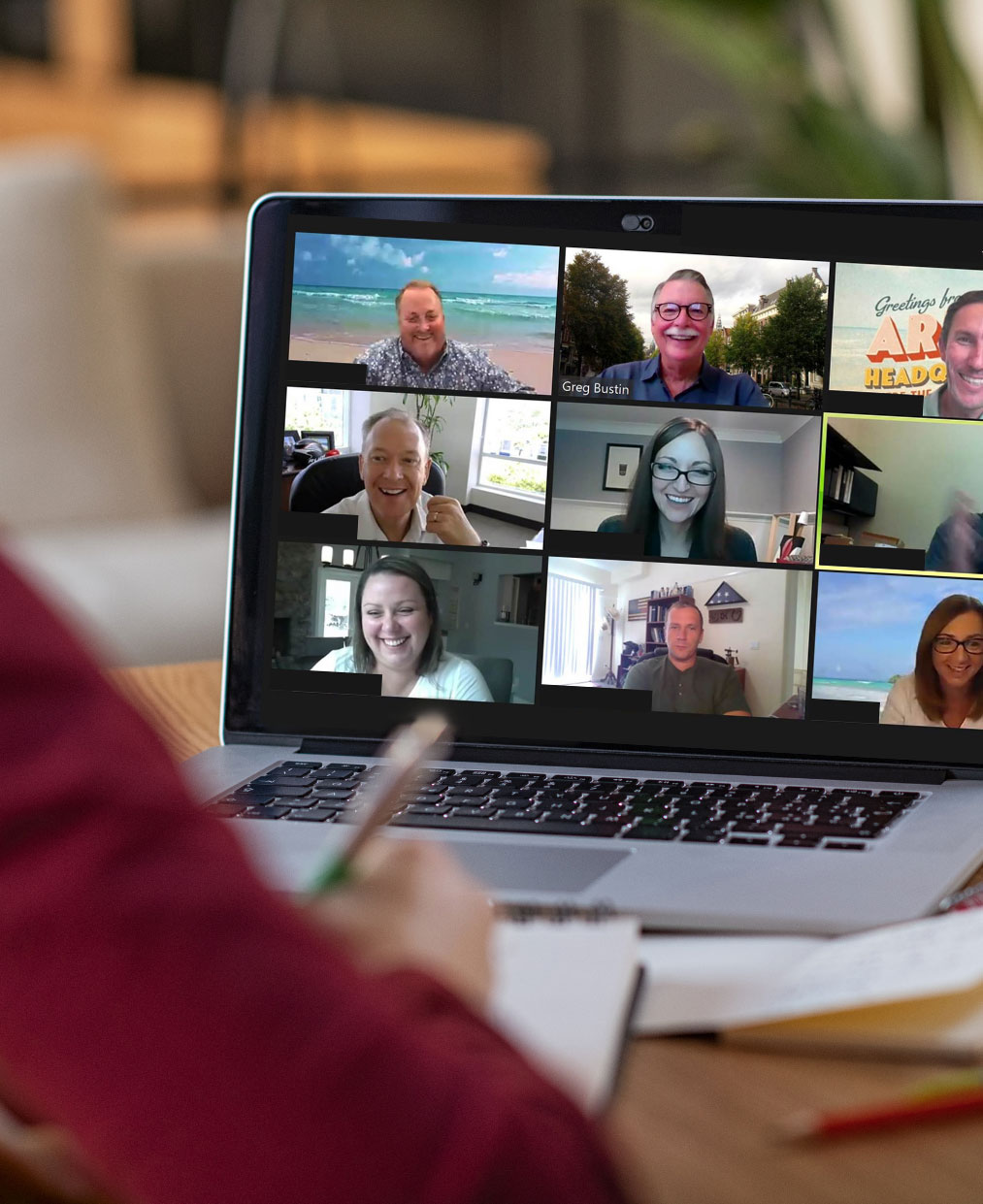
- February 17th from 11 AM – 12:30 PM Central Time
- My free webinar will help you:
– Sharpen your personal goals
– Improve time management
– Tackle tough work-related issues
– Support remote workers
Learn More
To dive even deeper into the topic of accountability, I invite you to purchase a copy of my bestselling book, “Accountability: The Key to Driving a High-Performance Culture.”
Become a better leader.
Download my three free e-books.

Free Tips
Sign up to receive free tips on business, leadership, and life.
Get My Latest Book
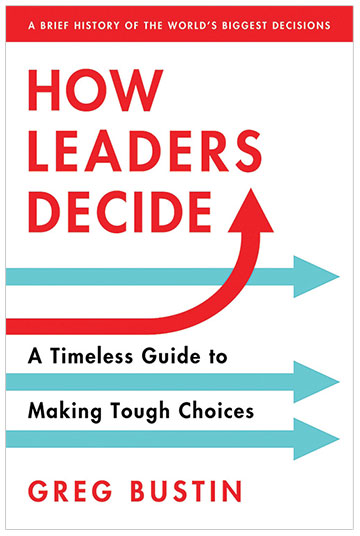
HOW LEADERS DECIDE
History has much to offer today’s current and aspiring leaders.
Business schools teach case studies. Hollywood blockbusters are inspired by true events.
Exceptional leaders are students of history. Decision-making comes with the territory.