Summer Reading for Leaders
August 5th, 2025 |

When You’re Done Learning, You’re Done Leading
Every summer since 2018 I’ve shared reading recommendations because leaders are readers (and listeners of books and podcasts). Here are my picks for the Summer of 2025.
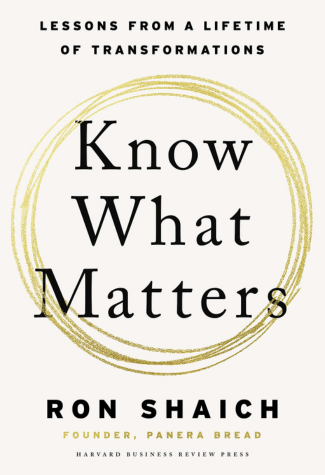
I read Wall Street Journal columnist Ben Cohen’s review of this book in January, a time many people consider making New Year’s resolutions. Panera founder Ron Shaich describes how he views the year ahead by looking back from his deathbed. Shaich calls it a “premortem,” and it works like this. “I try to evoke the feelings I want to have in that moment—a sense of peace, completion and, most importantly, self-respect,” Shaich writes. “Then I ask myself: What am I going to do now to ensure that when I reach that ultimate destination, I’ve done what I need to do?” In twenty years as a Vistage Chair, this is the only book I’ve assigned as required reading to the CEOs and key executives I coach.
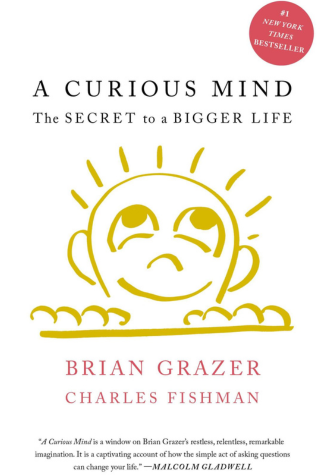
Whether it’s an appetite for learning, a spirit of inquisitiveness or simply the desire to improve, great leaders nurture curiosity in themselves, their colleagues and the organizations they lead. Leaders ask Why? and Why not? in pursuit of making things faster, easier or better, and they wonder What drives her? and What makes him tick? as they coach and develop those around them. They connect dots others don’t even see. Brian Grazer has produced some of the world’s most iconic films, and they were all inspired by his relentless curiosity.
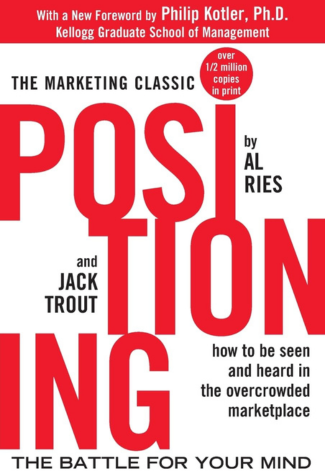
Positioning: The Battle for Your Mind
“The basic approach of positioning,” authors Al Ries and Jack Trout write, “is not to create something new and different, but to manipulate what’s already up there in the mind, to retie the connections that already exist. Positioning is not what you do to a product [or service]. Positioning is what you do to the mind of the prospect.” Ideas like “quality service,” “great value for the money” and “family owned” are lame. To stand out, you must stake out a position that separates your company, product or service in the minds of the people you want as customers. The ideas in this book are as relevant today as they were when the authors introduced them in their 1972 Advertising Age article.
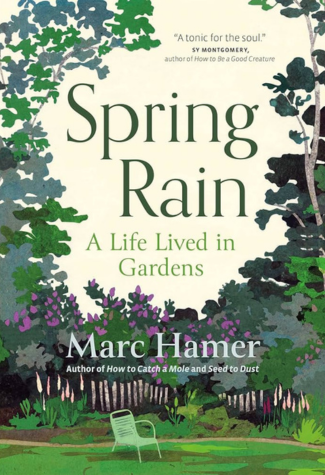
Every summer I recommend one book most business leaders would not list as one of their must-read books—but should. This surprising book is my pick for this year, and has been described as “a tonic for the soul.” Marc Hamer observes the world, himsef and others through the lens of a self-taught gardener who was hired to create outdoor poetry using plants, flowers, stones and water. “I let go of the questions that cannot be answered and instead I push at doors that fall open to my touch and ignore the ones that resist too much.” What doors are you pushing against that aren’t opening? What new doors are you considering opening? How do you feel about all of this?
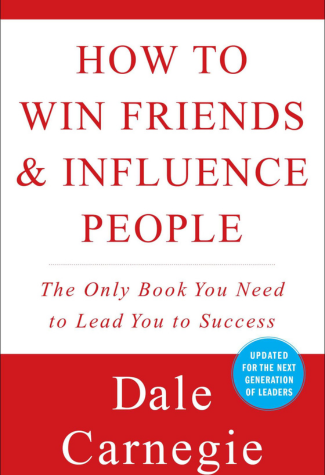
How to Win Friends and Influence People
First published in 1936, this book has been read by millions of people whose success was inspired by Carnegie’s simple but powerful idea that changing another person’s behavior starts by changing one’s behavior toward them. “When dealing with people,” Carnegie writes, “remember you are not dealing with creatures of logic, but creatures of emotion.” This book is filled with reminders that we would all do well to practice in a time of divisiveness. Remember, you catch more flies (and people) with honey than vinegar.
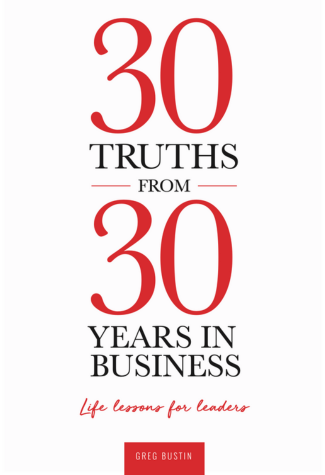
Thirty Truths from Thirty Years in Business
To commemorate my thirty years of entrepreneurship I collected thirty truths and published them this spring before my two-week U.K. speaking tour. You can download a free digital copy from my website. These are powerful life lessons I learned the hard way, and advice I wished I’d gotten sooner—or appreciated more fully than I did at the time. I’m hopeful you’ll find them helpful to you on your journey as a business leader.
Enjoy!

Ready to reset?
Attend my free Accountability webinar: I Did It! to set and achieve your 2021 goals.

- February 17th from 11 AM – 12:30 PM Central Time
- My free webinar will help you:
– Sharpen your personal goals
– Improve time management
– Tackle tough work-related issues
– Support remote workers
Learn More
To dive even deeper into the topic of accountability, I invite you to purchase a copy of my bestselling book, “Accountability: The Key to Driving a High-Performance Culture.”
Become a better leader.
Download my three free e-books.

Free Tips
Sign up to receive free tips on business, leadership, and life.
Get My Latest Book
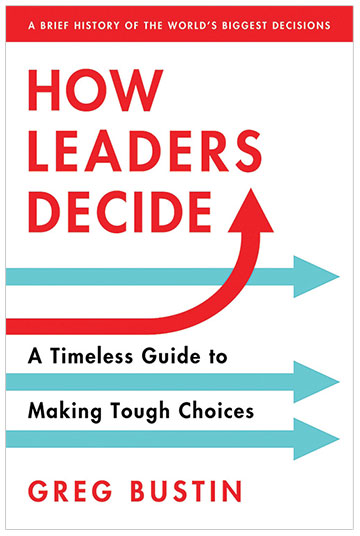
HOW LEADERS DECIDE
History has much to offer today’s current and aspiring leaders.
Business schools teach case studies. Hollywood blockbusters are inspired by true events.
Exceptional leaders are students of history. Decision-making comes with the territory.